Post Summary
The shopping world is shifting fast—Black Friday lasts all month, AI blurs what’s real, and originality is disappearing from our favorite stores. As handmade turns to dropshipped and thrift stores fill with fast fashion, this post questions what authenticity really means in today’s retail landscape—and how it wont last long.
Table of Contents
- Introduction
- The Rise of AI and Distrust in Online Shopping
- The Lack of Options, Scams, and Consumer Struggle
- Etsy: Is It Handmade or Dropshipped?
- Thrift Stores: Now Physical Fast Fashion Stores
- Retail Stores: Less Competition, Less Variety
- The Future of Shopping
- Final Takeaways
Introduction
It’s finally November, which means it’s Blackout Month. If you work in retail—good luck getting a day off. If you’re a savvy shopper, the best-deal season of the year has arrived.
However, 2025 might not bring the discounts we’re used to in the U.S. Due to tariffs from the Trump administration and rising inflation, sales may not be as appealing as in past years. But that’s not the only issue affecting shopping this season.
Black Friday Isn’t Just Friday Anymore
With the rise in online shopping, Black Friday has stretched far beyond the day after Thanksgiving. It now feels more like an eternal Cyber Monday. Meanwhile, malls are closing, and iconic retailers like Sears, JCPenney, and Forever 21 have shut down or downsized. There are simply fewer physical stores to shop from than ever before.
The Rise of AI and Distrust in Online Shopping
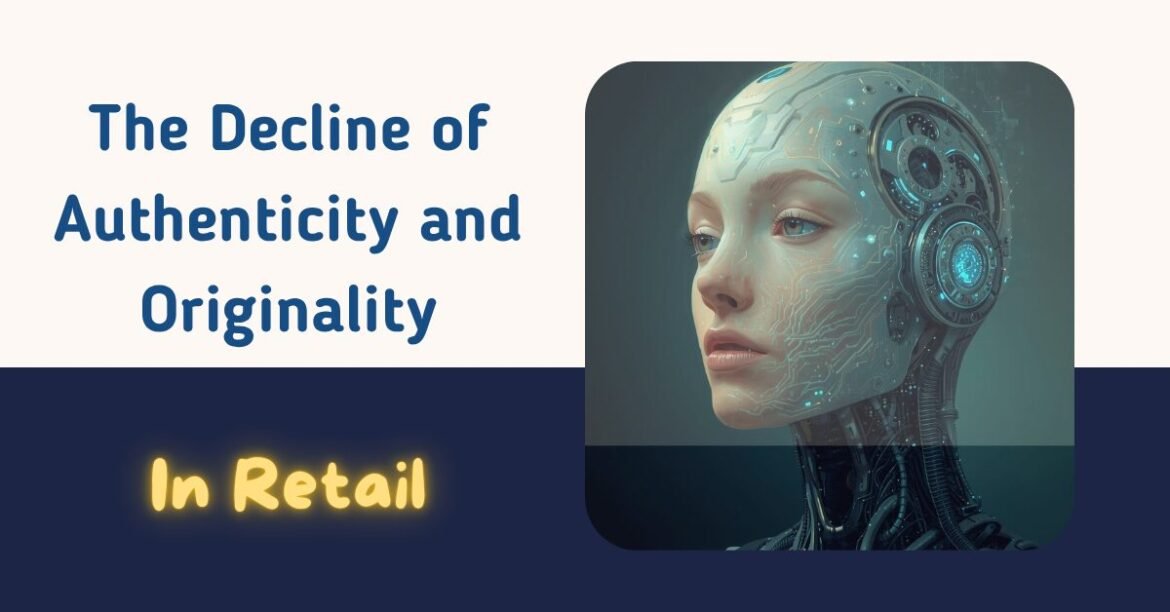
AI is changing everything—both for better and for worse. While people fear AI taking jobs, especially in creative fields, corporations are overusing AI to avoid spending significant costs on marketing or developing their products.
Shoppers are becoming concerned with AI’s overarching presence on online platforms. Whether it’s on social media, restaurant, or shopping websites, people are questioning what’s real.
AI-generated videos and images have gone viral, showing hyper-realistic fake scenarios or people. According to Brunni Corsato’s article on Usercentrics.com, seventy-eight percent of Americans can’t easily detect the usage of AI content.
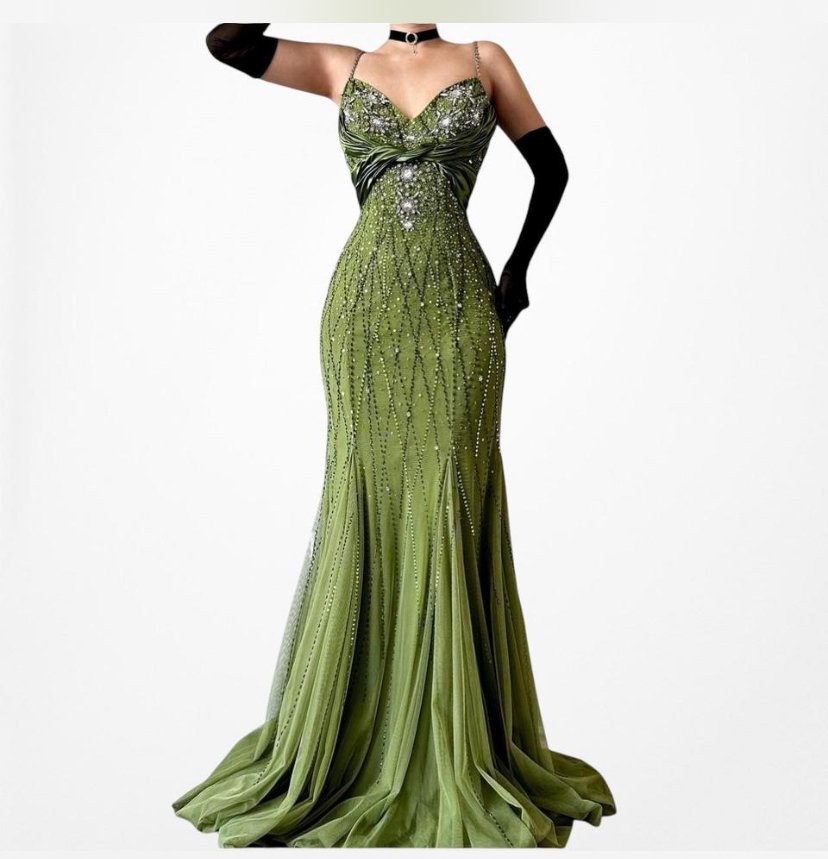
AI has also contributed to a rise in online scams. For myself, browsing prom dresses on Depop and Etsy, I find it even harder to trust product photos—especially when backgrounds are removed or images look “too perfect.” They could be AI-generated or stolen from the original designer’s websites.
American YouTuber Sambucha, with 10.8 million subscribers, tested this in his video titled “I Replaced Myself With AI For An Entire Month And Nobody Noticed” eight months ago. He started by replacing his titles, then full clips in his videos of himself talking, with AI-generated content without telling viewers—and the results were shocking.
This leaves 83% of consumers asking for AI-generated content to be labeled by law, as expressed in Jennifer Armstrong’s article on Quirks.com. It’s also predicted that AI-generated content could soon account for 90% of what’s on the web, meaning that going forward, the appearance of AI on online platforms will just become our new norm.
The Lack of Options, Scams, and Consumer Struggle
Black Friday has always come with its fair share of scams, but this year, between the lack of options, AI-generated images, and knockoff products, being a consumer is harder than ever. And it may only get worse.
Etsy: Is It Handmade or Dropshipped?
Etsy was once known for its charm—handmade items from small businesses. But recently, more sellers have shifted to dropshipping and charging even higher prices than their competitors.
But on Etsy’s Help Center website, it’s clear that sellers are not allowed to use dropshipping except for “craft and party supplies,” and they cannot resell items unless they are “handpicked or sourced by sellers.” Yet there is little action taken to remove scammers or inauthentic shop accounts that don’t abide by these guidelines.
As a result, many of the same products found on Etsy can also be found on Amazon or Temu for much less. Canadian YouTuber Mia Maples (4.65 million subscribers) revealed this in her video titled “Are Temu, Amazon & Etsy Selling the SAME Products? Let’s Find Out” four months ago, where she compared product listings across the three platforms, showcasing how identical many of them really are.
With the addition of AI-generated images taking over the internet, shopping on the site is sketchier than ever. Still, buying from genuine small businesses whenever you can is the best way to go (especially when it’s through their own direct website or the shop they run on a social media platform) when fulfilling your Christmas gift list this year—even if they don’t offer the lowest prices.
But, be sure to look out for any possible red flags.
I advise anyone hunting for the best deals this season to screenshot items they’re considering and run them through Google Image Search. Browse the internet for all possible purchasing locations and prices before checking out. This helps you see how much you’re really saving compared to other times of the year before hitting that “checkout” button on your next big purchase.
Thrift Stores: Now Physical Fast Fashion Stores
As social media platforms like TikTok Shop, Facebook Marketplace, and Instagram Shop have grown in popularity— Gen Z has also been gravitating toward thrift stores with sustainability and individuality in mind.
Although it may not be your number one place to shop during the winter, busy work or school schedules can make it hard to find the time to discover a truly good piece of clothing, jewelry, or even an antique you can gift for your grandparents on Christmas morning.

However, instead of unique, vintage, one-of-a-kind items, you now can find racks of low-quality, trendy pieces made from cheap materials.
Even online resale apps like Depop are filled with mass-produced fast fashion.
Coming from personal experience, I was searching row after row for hours this back-to-school season when my local thrift shop had a 35% off entire store sale. It was packed, and the racks were slowly being emptied as I walked in. But when I turned left, almost everything that was left had Shein labeled across the inside tag.
What’s even the point of searching anymore when you end up witnessing one of the greatest crimes to ever exist?
Secondhand stores slowly becoming in-person outlet stores for our most popular online purchasing sites.
Retail Stores: Less Competition, Less Variety
An article written in 2023 by CBInsights.com shares that since 2015, there have been an estimated 154 bankruptcies in the industry—from the pandemic to mounting debt and retailers’ own missteps.

That number is now well over 154 businesses going into 2026. Business Insider released at the end of October that “more than 10 retail brands have said they’re closing U.S. stores this year, totaling over 2,700 locations.”
With fewer stores comes fewer products, and shoppers are left with limited options.
For example, I tried to find a pair of loafers that matched my style, comfort, and budget for work. I searched everywhere—Macy’s, Kohl’s, DSW, Amazon, and more. Every store had nearly the same selection: the same brands, same colors, and even the same price range.
With an already limited number of stores—many of them selling the same mass-produced items—the only way to guarantee quality and uniqueness seems to be by purchasing custom made or designer brands—at a much higher price tag.
The Future of Shopping
Social media retail shopping is dominating the industry. While AI intelligence is being used to generate personalized customer experiences in advanced ways, and fully virtual shopping could become a reality in our near future. According to an article by Forbes.com, innovations like “virtual dressing rooms” and “3D product inspections” will make online shopping feel more real than ever.
The push for everything to be done by AI and online platforms is becoming more and more apparent and makes the world slowly begin to feel more dystopian—like the scenes we see in Disney’s WALL·E.
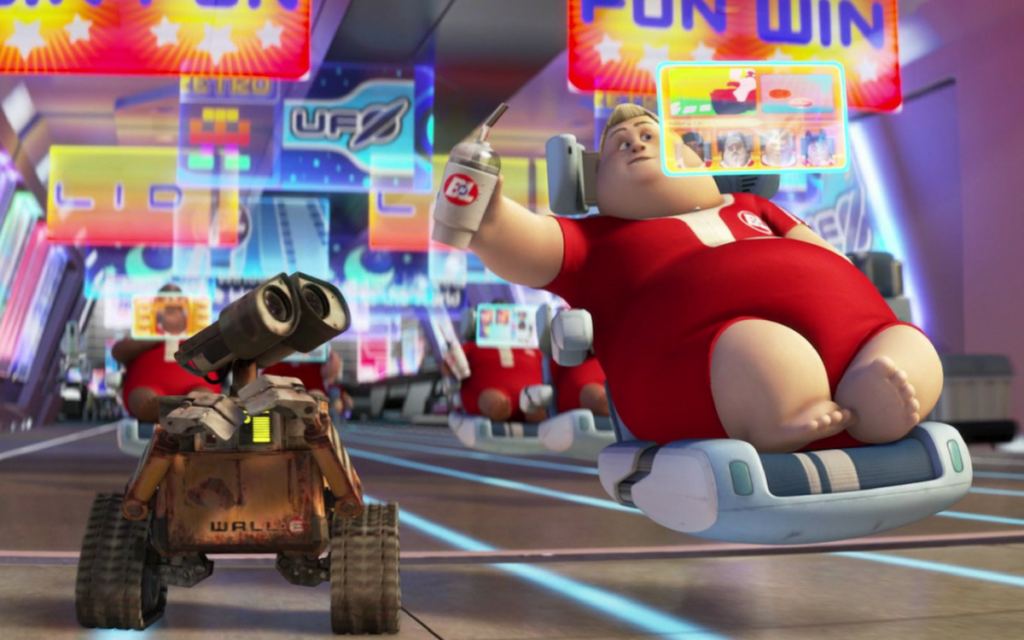
These advancements to “better” our lives—starting with where and how we purchase our goods to survive—have a lasting impact on how we will live and interact as a society moving forward.
With limited reasons to leave our homes, increases in unemployment, and even less direct interaction with others, it’s no wonder why so many shoppers have pushed hard against this new wave of technology when life as we know it is crumbling right from beneath our feet.
Final Takeaways
Malls are disappearing left and right, leaving plazas filled with big retailers as our last and final options for a physical shopping experience.
To prevent that future, we need to support genuine small businesses-from food and furniture to fashion.
Instead of buying everything on your Christmas present list from big corporations, try buying from local or independent businesses. Spreading out where we spend money helps keep competition alive and prevents one corporation from dominating an industry.
Yes, trusting new businesses can be harder—especially with AI, higher shipping costs, and more taxes—but the long-term impact is worth it for consumers, communities, and society.
Otherwise, Black Friday will become meaningless—with only two or three places to go and raid for their newest deals as soon as they open on Friday morning.
Or shoppers rushing to their VR headsets and tv screens for new cyber deals instead.
The nostalgic rush of shopping during the holiday season will soon be no more.
Stay woke, my fellow anomalies. Stay Anomalous. Signing off…
Amirah
Other Posts You May Like


Follow For Updates on Future Content
Pintrest: @theanomalysjournal
Instagram / Facebook : @urgirlamirahjocelyn
Spotify: @theanomalyspodcast
Youtube: @ajamadmired
Leave a Reply